The Amaru community Peru experience offers travelers a meaningful connection to living Andean culture. Located high above the Sacred Valley near Pisac, this traditional village is home to families who maintain ancestral agricultural practices, textile knowledge, and a deep relationship with the land. Life here follows seasonal rhythms the Andes have shaped over generations.
Many travelers include this visit as part of a cultural day with Perú Increíble private tours, where respectful exchange and learning are central. The Sacred Valley itself was a vital agricultural region for the Inca Empire, as noted by the Smithsonian National Museum of the American Indian.
Where the Amaru Community Peru Is Located
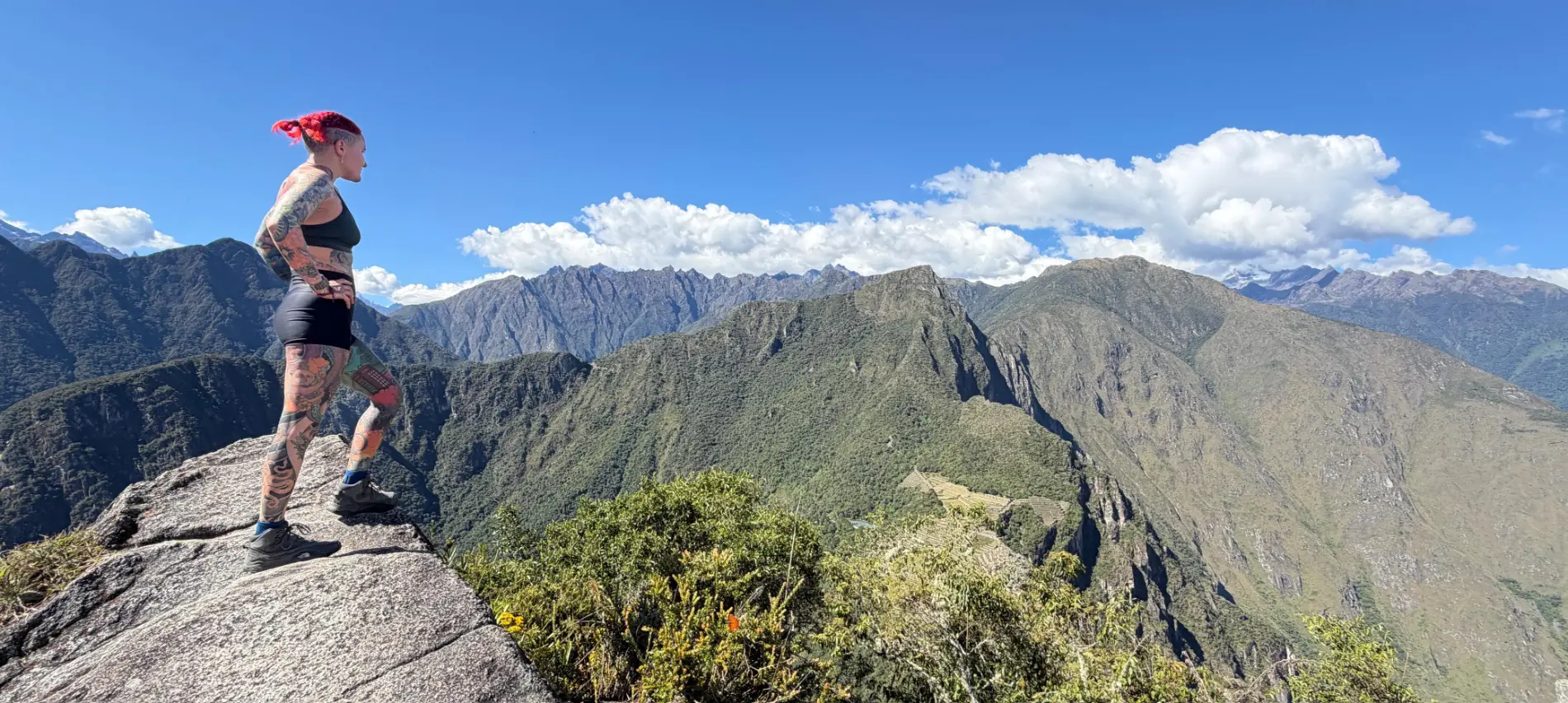
The village sits in the mountains above Pisac, surrounded by wide valley views and terraced hillsides. Because of its elevation and rural setting, daily life here remains closely tied to farming and traditional practices. The journey winds through scenic Andean landscapes, blending nature and culture from the start.
Agriculture and Ayni: The Heart of Daily Life
Agriculture is not just work in the Amaru community Peru — it is the foundation of identity, survival, and cooperation. Families grow native crops such as potatoes, corn, quinoa, and beans in mountain fields shaped by centuries of knowledge.
Visitors often step into this rhythm by spending time in the fields alongside community members. This hands-on experience offers insight into planting, harvesting, and tending the land at high altitude.
A key concept guiding life here is ayni, a Quechua principle of reciprocity. Instead of working in isolation, families support one another. Community members spend one day tending one household’s fields and another day supporting a neighbor’s land. Through ayni, labor becomes shared responsibility, strengthening both community bonds and food security.
Pachamanca: A Traditional Earth Oven Meal
A highlight of visiting the Amaru community Peru is the Pachamanca, a traditional Andean cooking method. Community members place hot stones into a pit in the earth, and layers of marinated meats, potatoes, corn, and herbs are carefully arranged. They then cover the food and slow-cook it underground.
This meal is both nourishment and ceremony. It reflects gratitude to Pachamama, or Mother Earth, whose soil provides both the ingredients and the cooking vessel. Sharing a Pachamanca brings people together and represents hospitality rooted in tradition.
Textile Knowledge and Natural Dyes
The community is also known for its textile arts. Artisans create vibrant colors using natural dyes from plants, minerals, and insects. Patterns often hold symbolic meanings connected to nature, mountains, and ancestral stories.
These traditions continue because they are part of identity, not simply demonstrations.
Connection to the Land
The people of Amaru maintain a strong spiritual and practical connection to Pachamama. Agricultural cycles, weather patterns, and ceremonies reflect respect for the natural world. As a result, life moves in harmony with the environment.
Organizations that promote sustainable tourism, such as the UN World Tourism Organization, emphasize the value of experiences that support local cultures respectfully.
Why Visiting the Amaru Community Peru Matters
Visiting the Amaru community Peru goes beyond observation. It creates cultural exchange, supports families directly, and helps preserve knowledge that might otherwise fade. Additionally, it allows travelers to understand Andean life as it is lived today.
Experience the Amaru Community with Perú Increíble
At Perú Increíble, we believe travel should build understanding and respect. Visiting the Amaru community Peru can be included as part of a Sacred Valley day, allowing travelers to connect with people, land, and tradition in an authentic way.
If you want your Peru journey to include living culture, this experience offers insight you cannot find in ruins alone.