Across the Peruvian Andes, mountain peaks hold deep cultural significance. In Andean cosmovision, these elevations act as conscious protectors and teachers. Known collectively as the Apus, these Andean mountain spirits have shaped local traditions for thousands of years. In fact, their influence still guides daily farming practices and community life today.
What Are the Apus in Andean Culture?
In the Quechua language, the word Apu translates to “lord” or “divine protector.” Andean tradition views prominent mountains as living spiritual entities. Specifically, these peaks watch over the surrounding valleys, wildlife, and towns.
Furthermore, each of these Andean mountain spirits maintains an individual personality and a specific geographic domain. While Pachamama represents the Earth Mother, the Apus serve as protective guardians. Consequently, they regulate local weather patterns and shield nearby villages. In addition, they connect the terrestrial world (Kay Pacha) with the celestial realm (Hanan Pacha).
Why Mountains Are Considered Sacred in the Andes
The reverence for mountain spirits developed alongside practical environmental needs. Glacial meltwater from high peaks feeds the rivers below. As a result, these waterways irrigate crops and support livestock throughout the dry season.
Similarly, early Andean societies and the Inca civilization linked mountains directly to regional climate conditions. For example, they believed mountain peaks governed rainfall, frost, wind, and sunshine. Therefore, respecting an Apu ensured reliable water and favorable weather. This dynamic established a clear cultural framework based on reciprocity, known in Quechua as ayni. Communities honor the mountain through traditional offerings, and in return, the landscape provides agricultural stability.
Apu Salkantay, One of the Most Revered Andean Mountain Spirits
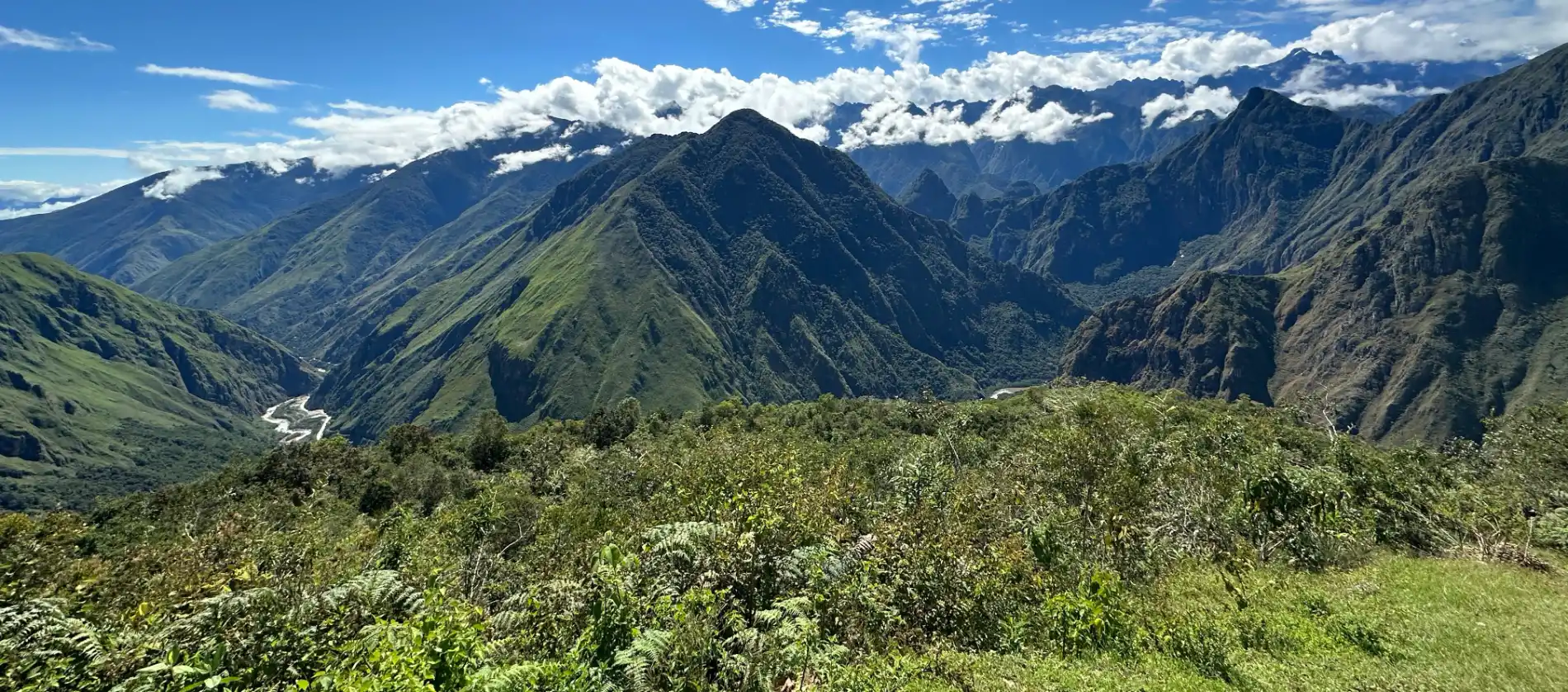
Among the sacred mountains of Peru, Mount Salkantay stands out as a prominent peak in the Cusco region. It rises to 6,271 meters in the Vilcabamba mountain range. Its name derives from the Quechua word Sallqa, which translates to “wild” or “untamed.”
In regional tradition, Apu Salkantay represents dynamic weather and personal endurance. Other peaks like Apu Ausangate protect pastoral communities with steady weather. In contrast, Salkantay brings challenging high-altitude conditions. For generations, travelers and local leaders have viewed Salkantay as a central figure among the region’s sacred peaks.
How Andean Communities Honor the Apus Today
Traditional practices honoring the Apus remain widespread throughout the Andean highlands. Local farmers, trekking staff, and community elders still perform customs that show respect. In particular, they request safe passage before traveling over high mountain passes.
One common practice is the k’intu. In this ritual, a person arranges three intact coca leaves between their fingers. Then, they blow gently over the leaves toward the peak with an intention or prayer. Additionally, communities perform a pago a la tierra on designated dates. During this ceremony, an Andean spiritual leader arranges symbolic offerings of grains, seeds, and chicha (fermented corn beverage) to acknowledge the connection between people and nature.
Experiencing the Apus on the Salkantay Trek
For travelers visiting Peru, understanding the role of Andean mountain spirits adds valuable context to high-altitude trekking routes.
The Salkantay Trek provides an excellent opportunity to observe these living traditions. Hikers travel directly beneath the glaciated peak as they approach the Humantay Lake at 4,200 meters and the Salkantay Pass at 4,630 meters. Meanwhile, local guides share regional history and oral traditions along the trail. This firsthand cultural insight helps travelers understand how Andean communities have related to these peaks across generations.