Cusco Peru sits high in the Andes and carries centuries of history within its streets. Once the capital of the Inca Empire, the city later became a center of Spanish colonial life, creating a place where cultures, architecture, and traditions intersect. Today, Cusco blends ancient heritage with vibrant daily life, making it one of South America’s most fascinating destinations.
Many travelers begin their journey here with Perú Increíble private tours, using Cusco as a base to explore the Sacred Valley, Machu Picchu, and the surrounding Andes. The city’s cultural importance has earned it UNESCO World Heritage recognition, according to the UNESCO World Heritage Centre.
Population of Cusco Peru
Today, Cusco Peru is home to roughly 430,000 people in the city and over 1.3 million people in the Cusco region. While the city itself feels compact and walkable, the surrounding region includes rural Andean communities, valleys, and highland towns where traditional lifestyles continue.
This blend of urban energy and rural heritage shapes daily life. In the city, you’ll find universities, markets, and modern services. Meanwhile, in the countryside, families maintain agricultural practices and cultural traditions that date back centuries. As a result, Cusco connects past and present not only through architecture but also through its people.
The History of Cusco Peru
Historically, the Incas designed Cusco as the political and spiritual center of their empire. The city’s layout reflected cosmological beliefs, and temples, plazas, and administrative buildings once formed a highly organized urban space.
After the Spanish arrival, colonial churches and mansions rose atop Inca foundations. As a result, Cusco’s architecture tells a story of transformation, resilience, and layered identity.
Plazas, Streets, and Architecture
Walking through Cusco Peru, visitors notice narrow stone streets, open plazas, and buildings that combine Inca and colonial construction. Massive stone blocks form the base of many walls, while wooden balconies and tiled roofs reflect Spanish influence.
This contrast defines the visual identity of the city.
Markets and Daily Life
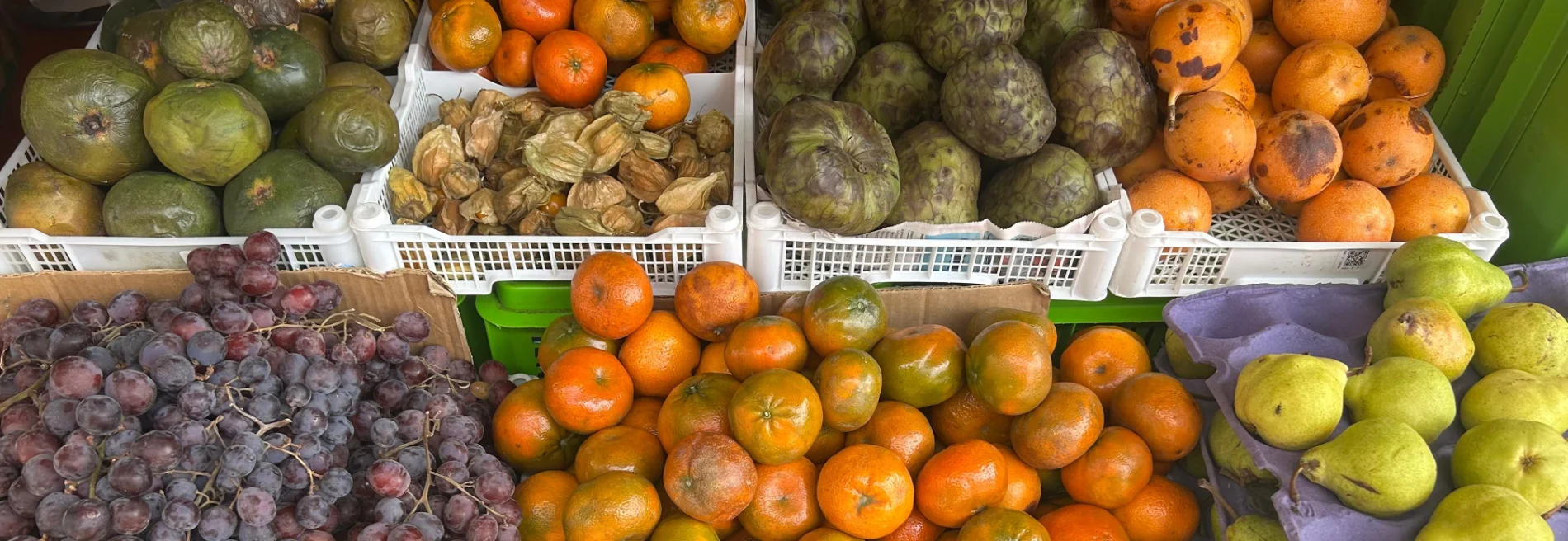
Beyond historical sites, Cusco thrives with daily activity. Markets offer fresh produce, traditional foods, and handmade crafts. Cafés, shops, and local businesses line the streets, creating a lively atmosphere.
Because the city remains a cultural hub, festivals, music, and celebrations often fill the plazas.
Cusco as the Gateway to the Andes
Cusco serves as the starting point for many Andean adventures. From here, travelers journey to the Sacred Valley, Rainbow Mountain, and Machu Picchu. Therefore, the city plays both a cultural and logistical role in Peru travel.
Its high-altitude setting also means visitors take time to acclimatize before exploring further.
Nature Surrounding Cusco Peru
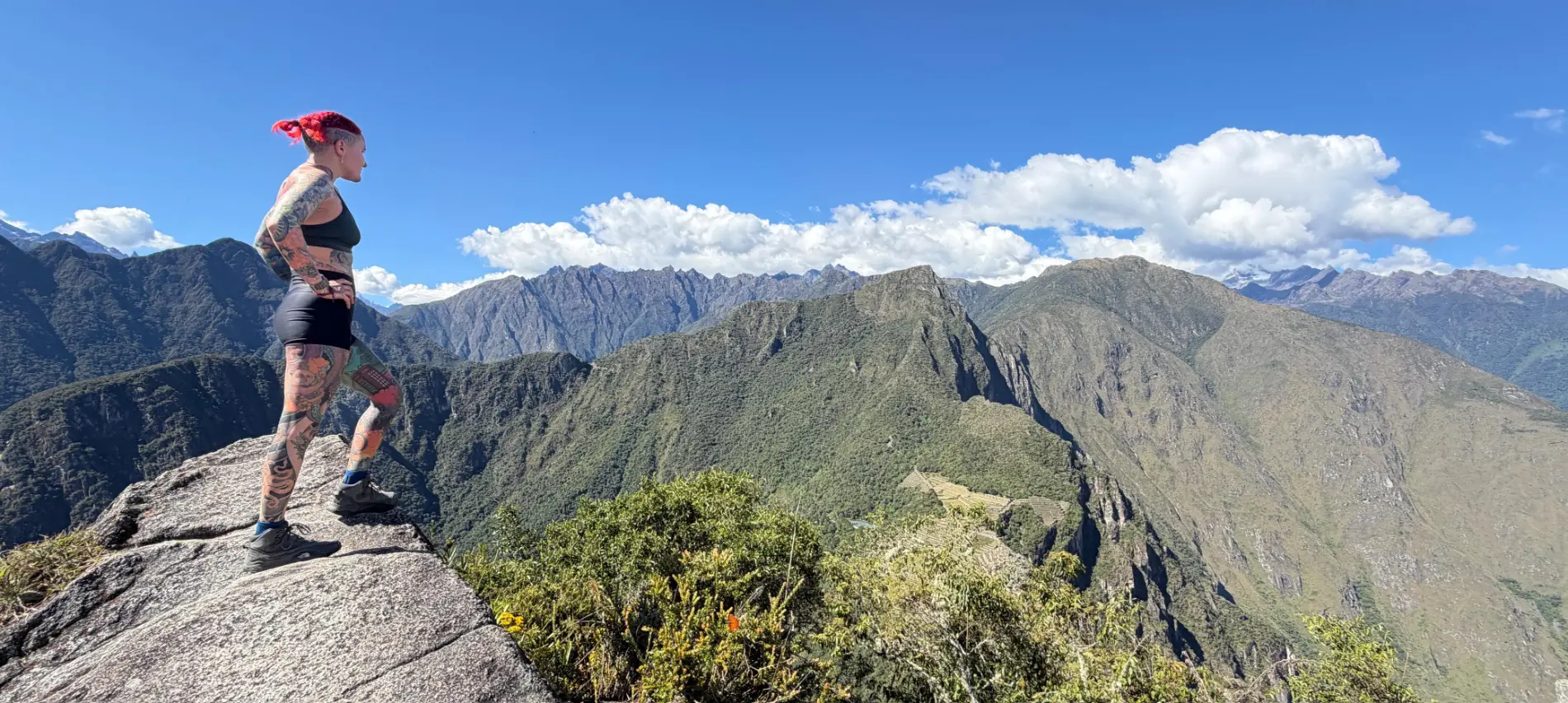
Mountains surround Cusco Peru, creating dramatic views in every direction. Valleys, rivers, and highland plains extend beyond the city limits. This setting connects urban life with nature, a balance that shapes local traditions and agriculture.
Why Cusco Peru Matters Today
Cusco represents continuity. It preserves Indigenous heritage while functioning as a modern city. Additionally, it supports cultural preservation and responsible tourism, values promoted globally in sustainable travel initiatives.
Experience Cusco Peru with Perú Increíble
At Perú Increíble, we design journeys that begin with context and connection. Exploring Cusco Peru offers insight into Andean history, living culture, and the landscapes that define the region.
If your Peru journey includes history, culture, and mountain scenery, Cusco provides the perfect foundation.